This fish-themed numbers pocket chart game turns everyday number practice into a playful hide and seek activity that keeps kids watching closely, guessing confidently, and fully engaged.
Students search for sneaky little fish hiding behind fishbowl number cards as they guess, reveal, and record numbers during this hands-on numbers hide and seek pocket chart game.
Instead of pointing at numbers on a worksheet and calling it a day, children are scanning the pocket chart, saying numbers out loud, remembering past guesses, and actively interacting with numbers.
Along the way, they strengthen number recognition, build counting confidence, and practice number sequencing in a way that feels fun and low pressure.
Designed for preschool, pre-k, kindergarten, and early elementary learners, this numbers pocket chart game brings structure and excitement to math time while still delivering meaningful skill practice.
Fish-Themed Numbers Hide & Seek Pocket Chart Game for Number Recognition
This fish-themed numbers hide and seek pocket chart game covers a wide range of skills, from numbers 0–10 all the way through 0–120, which means the same activity can be used with very different learners throughout the year.
Kids are calling out numbers, scanning the pocket chart, and watching closely as they try to figure out which fishbowl is hiding a fish behind it.
One of the biggest benefits is that you control the difficulty. You can start with just a few numbers for students who are still building confidence, then gradually add more number cards as kids are ready for a challenge.
The guessing element is what keeps this game exciting. Kids stay locked in because they want to find the fish, and the repeated number practice happens naturally as they take turns guessing and checking.
What’s Included in This Numbers Hide & Seek Pocket Chart Game
Everything in this math activity is designed to make number practice easy, flexible, and engaging with a bright fish theme kids love:
Number cards for 0–10 and 0–120 in color
Number cards for 0–10 and 0–120 in black and white
Fish hiding cards to place behind the number cards
Differentiated recording pages for multiple number ranges
Clear teacher directions with setup and play tips
All of the cards are sized to fit a standard pocket chart, making this an easy pocket chart game to set up, use, and reuse again and again.
The cards also work well laid out on a table or the floor if a pocket chart is not available.
Number Skills Kids Practice with This Fish Pocket Chart Game
This numbers hide and seek pocket chart game gives kids repeated number practice without requiring them to sit still or zone out.
They are looking, guessing, talking, and checking their answers the entire time, which means learning is happening naturally through play.
Math Skills Kids Are Using:
Recognizing numbers while scanning the pocket chart
Counting as they guess and check
Practicing number order and sequencing
Telling similar-looking numbers apart
Saying numbers out loud during each turn
Writing numbers on recording pages for extra reinforcement
All of this supports strong early number sense in a way that feels approachable and manageable for young learners.
Other Skills You’ll See:
Taking turns and waiting while others guess
Remembering which numbers have already been tried
Using fine motor skills when flipping cards and writing
Building confidence as they begin finding the fish independently
Those extra skills are part of what makes this game such a reliable classroom favorite. Kids feel successful, stay engaged, and learning keeps moving without extra prep or stress.
How to Play This Numbers Hide & Seek Pocket Chart Game
This fish-themed numbers pocket chart game is quick to set up and easy for kids to follow, which means less explaining and more learning.
Place the number cards into a pocket chart so all numbers are visible. The cards can also be laid out on a table or floor if needed.
Decide how many numbers to use. Start small for beginners, then add more cards as confidence grows.
Have one child hide 1–5 fish cards behind the number cards while the rest of the group closes their eyes.
Students take turns guessing which numbers are hiding fish and say the number out loud with each guess.
Peek behind the number card to check for a fish.
Use the recording pages to cross off guessed numbers and write down correct finds.
The predictable routine helps kids stay focused on the numbers while still enjoying the surprise of each reveal.
Where to Use This Numbers Pocket Chart Game
This fish-themed numbers pocket chart game fits easily into real classroom routines and flexible learning environments.
Math Centers: Set it up as an independent or partner center. The consistent routine allows kids to play with minimal teacher support while still getting meaningful number practice.
Small Group Math:Perfect for targeting specific number ranges. You can slow the pace, repeat numbers, and support individual learners without rushing.
Whole Group Circle Time: Use the pocket chart during circle time to keep everyone involved. Kids love calling out numbers and watching for the fish to appear.
Homeschool Math Lessons:An easy way to add movement and engagement to home learning while still practicing number recognition and counting.
Speech Therapy and Intervention:The turn-taking, verbal number naming, and repetition make this a great fit for speech therapy and intervention settings.
Early Finishers or Extra Practice: Provides a meaningful activity that does not feel like busy work and requires no extra directions.
Indoor or Rainy Day Learning: Great for days when outdoor time is limited and kids still need something engaging and interactive.
Because you control how many numbers are in play, this same game can be used all year as students grow and their skills develop.
Number Recognition Standards Alignment
This pocket chart game supports early number skills aligned with common kindergarten math standards.
Texas Essential Knowledge and Skills (TEKS):
K.2.A Read, write, and count numbers
K.2.B Identify and describe number order
K.2.C Represent numbers using objects and drawings
Virginia Standards of Learning (SOL):
K.3 Identify and write numbers
K.4 Count forward and backward within a given range
Common Core State Standards (Math):
K.CC.A.1 Count to 100 by ones and tens
K.CC.B.4 Understand numbers and quantities
Check out what other educators are saying:
⭐️⭐️⭐️⭐️⭐️ TPT Seller wrote, “Our students love to use this! We do it everyday as part of our morning sign in routine. There's so many options on how you can play. Great way to work on number recognition.”
⭐️⭐️⭐️⭐️⭐️ Jody R. wrote, “Great hands on learning for my students with needs. Teaches them how to take turns, patience, and to identify their numbers with sequencing.”
If you’re looking for a numbers pocket chart game that is playful, flexible, and genuinely effective, this one checks all the boxes.
The Numbers 0–120 Hide & Seek Pocket Chart Game gives kids repeated number practice through movement and play, keeps prep simple, and grows with learners from early counting to larger numbers.
Add it to your math rotation and pull it out anytime you want kids engaged, talking about numbers, and learning without it feeling like work. 🐟💙
Please note: This is a digital download that will be available to you directly after purchase. Nothing will be mailed to you.
You will receive a link to the download in three places:
On the 'thank you' page after checkout
In your email
Login on the site here: https://lifeovercsstore.com/account
Numbers Pocket Chart Game | Counting 0-120 | Number Hide and Seek | Fish
$3.00
Liquid error (snippets/sticky-product line 102): divided by 0
Off
Unit price
/
Simple but effective. Students make a spinner with a pencil and a paperclip. Each wheel provides a variety of phonemes so students can work independently in pairs. Great value.
Barbara Jacka
08/10/2026
Content is fun, engaging, multi leveled, and
Content is fun, engaging, multi leveled, and challenging.
Anonymous
08/02/2026
the variety allows for multiage grouping easy
the variety allows for multiage grouping easy.
Topic is one that children enyoy
Martha Andre
07/26/2026
Have not used it yet
Have not used it yet. It is for next school year. Can't wait to introduce them to the kiddos. Looks like fun!
Anonymous
06/09/2026
Quail
Quail
Traveon
06/08/2026
Very helpful for my 3 year
Very helpful for my 3 year old
Anonymous
05/15/2026
Dinosaur Brain Break Cube
Very fun! Exactly what I needed to add to a dinosuar themed unit for summer.
Michelle Vejvoda
05/12/2026
Variety of worksheets, covering absolute beginners to starting to write. As a parent, these are perfect to supplement school lessons at home.
Tania Mangion
05/10/2026
Great resource
I printed this out, laminated it, and used a pocket chart. My class loves guessing where something is hiding. We especially loved having 8 fish to find! Great way to reinforce and/or learn your letters.
Jennifer Ade
05/05/2026
Great content!
Great for learning letter formation and identification.
Michelle Molloy
04/27/2026
So cute!
The kids love playing hide and seek!!
Brienne Barrows Gallardo
04/14/2026
Super easy to download!
The kids love looking for things that are hiding!
Brienne Barrows Gallardo
04/11/2026
Great resource
This is a perfect interactive way to teach the alphabet
K Lanspa
04/02/2026
Alphabet Sound Recognition Sticky Puzzles
Great interactive product!
lisa price
04/02/2026
Such a great learning bundle
My grandson loves the variety that this bundle offers.
Tammy
03/27/2026
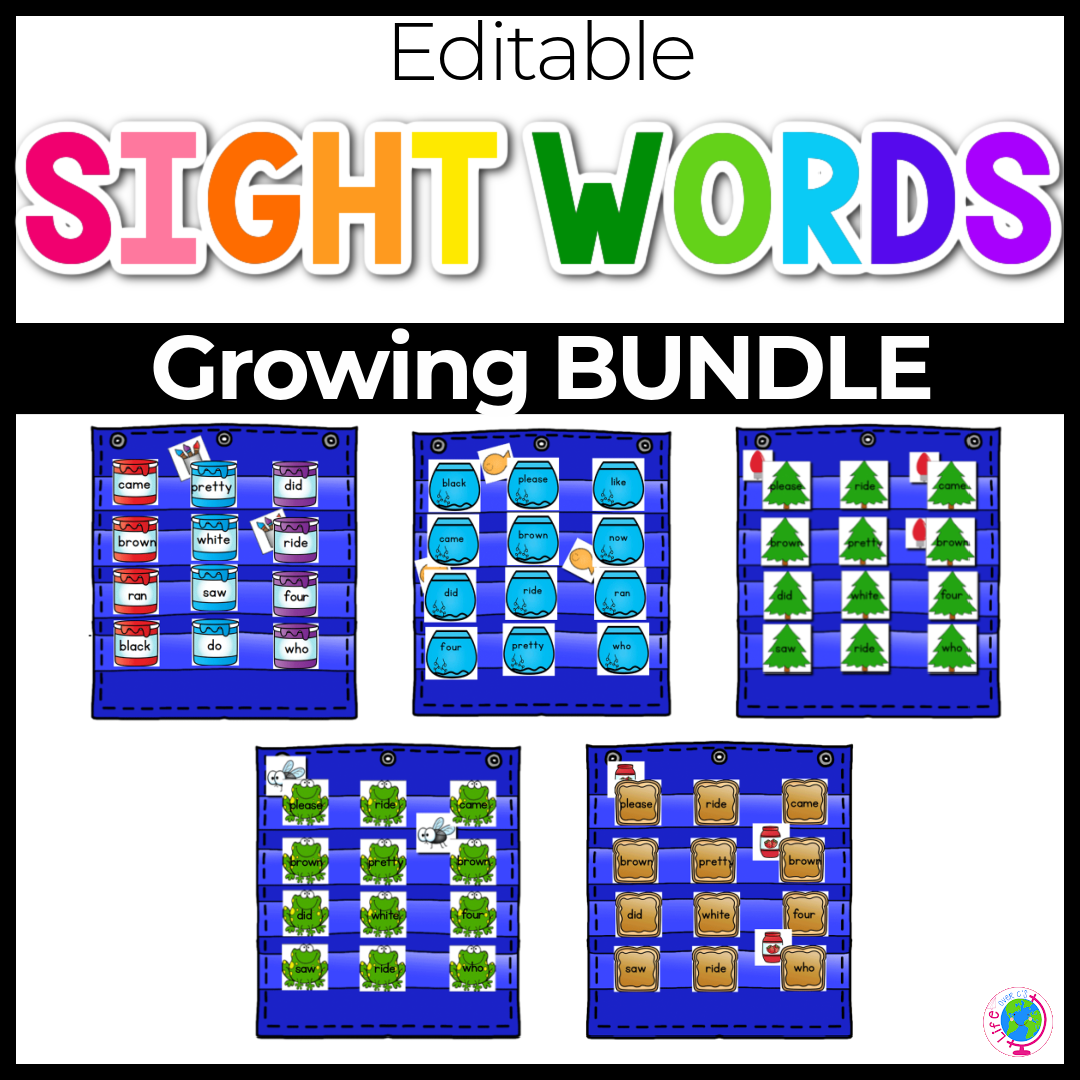
Sight Word Hide and Seek Games
Choose exactly the words you need with these customizable game
Simple but effective. Students make a spinner with a pencil and a paperclip. Each wheel provides a variety of phonemes so students can work independently in pairs. Great value.
CVC Real and Nonsense Words Spin & Win
Anonymous
Content is fun, engaging, multi leveled, and
Content is fun, engaging, multi leveled, and challenging.
Number Worksheets Convenience Bundle
Martha Andre
the variety allows for multiage grouping easy
the variety allows for multiage grouping easy.
Topic is one that children enyoy
Unicorn Color Activities for Preschool
Anonymous
Have not used it yet
Have not used it yet. It is for next school year. Can't wait to introduce them to the kiddos. Looks like fun!
Alphabet Interactive Notebook
Traveon
Quail
Quail
Uppercase Alphabet Crafts | Cut and Paste Letter Crafts | A-Z Phonics Activity