Dark mode


Apple number card games for numbers 0-20 that keep kids engaged while they learn! This set has 15 different card formats and 13 games, so it helps with introduction, differentiation and review all fall long.
Kids will be matching, making sets, adding, subtracting, finding missing addends and so much more. Each number appears as a numeral, a word, a picture, ten frames, tally marks, base ten blocks, dice, dominoes, money, place value and more. (A ten frame is a grid of ten boxes for showing numbers.) Combine sets to create decks for number recognition in many formats.
Print, shuffle and deal some apple-picking math fun!
15 sets of apple themed cards for numbers 0-20 in these formats:
Instructions are also included on how to make a deck of cards for each game. The differentiation possibilities are almost endless!
Step 1: Print on card stock and/or laminate the cards. Card stock is recommended because some children will try to see through the cards. Laminating might be prohibitive due to the number of cards needed to create multiple decks and multiple games. If you cannot laminate, card stock is a MUST!
Step 2: Choose a game and use the included instructions to build a deck. For Slap-It!, you need one set of cards for the CENTER pile and 2-4 copies of one set of cards (or 2-4 sets of different cards) for the PLAYING cards.
Step 3: Play with 2-4 players. In Slap-It!, place the CENTER cards face down in a pile and deal the PLAYING cards equally among players, face down in a pile in front of each player. Decide the first player and flip over one CENTER card. In clockwise order, players flip one card at a time. When a PLAYING card matches the CENTER card: SLAP-IT! The first player to slap the card takes the center pile of cards that have been played and adds them to the bottom of their own pile. Flip another CENTER card and continue. The game is finished when time is up or one player has all the PLAYING cards.
Use one set of a five number sequence for each player (for 6 players, use 6 copies of numbers 1-5 or any sequence you choose). Deal each player four cards. Each player secretly decides which sequence to build, then everyone passes one unwanted card face down to the person on their left. The first player with four cards in a sequence, like 1, 2, 3, 4 or 2, 3, 4, 5, calls out "Line Up!" and shows their cards. A group of 2-6 players is ideal.
Students come to number sense at very different levels. These games make it easy to give each student the right challenge.
These apple number card games support kindergarten and 1st grade math standards in Common Core, the TEKS (Math, adopted 2012) and the Virginia Math SOL (2023):
Add the Numbers 0-20 Apple-Themed Card Games to your cart and give your students 13 crisp, fun ways to build number sense with numbers 0-20. Deal the cards, pick a game and watch your apple math centers come alive!
Please note: This is a digital download that will be available to you directly after purchase. Nothing will be mailed to you.
Great as class game and also as a small group child-initiated activity!
Love that it includes all the letters for such a great price!
This i such a great resource. The crafting aspect is easy to understand as well as put together. My kiddos have already used the alligator this year to go along with their short letter Aa. They only had heard of a crocodile, so it was a great resource to add to their vocabulary as well as their learning the letter. I love it! Thank you for making this FREE!
This is great for working on sequencing. My students enjoy it as an independent seat work activity.
So easy to us as centres!
Easy to incorporate into centres!
I started getting your materials because of your brand name, Life Over Cs, and because you actually lived and taught overseas. The materials that you have developed and created are applicable to a wide range of students, and for a teacher, the materials are applicable for use from introducing a topic, using it as an assessment, using it for review, using it, and using it for enrichment. Thank you for the thought, the creativity, and the time in developing these materials. Keep up the good work.
I’m so thankful for this packet because it makes it so much easier for me to do my activities. Will be using it every year. Thank you
They are wonderful, the kids love doing them as something new and refreshing to them.
Simple but effective. Students make a spinner with a pencil and a paperclip. Each wheel provides a variety of phonemes so students can work independently in pairs. Great value.
Content is fun, engaging, multi leveled, and challenging.
the variety allows for multiage grouping easy.
Topic is one that children enyoy
Have not used it yet. It is for next school year. Can't wait to introduce them to the kiddos. Looks like fun!
Quail
Very helpful for my 3 year old
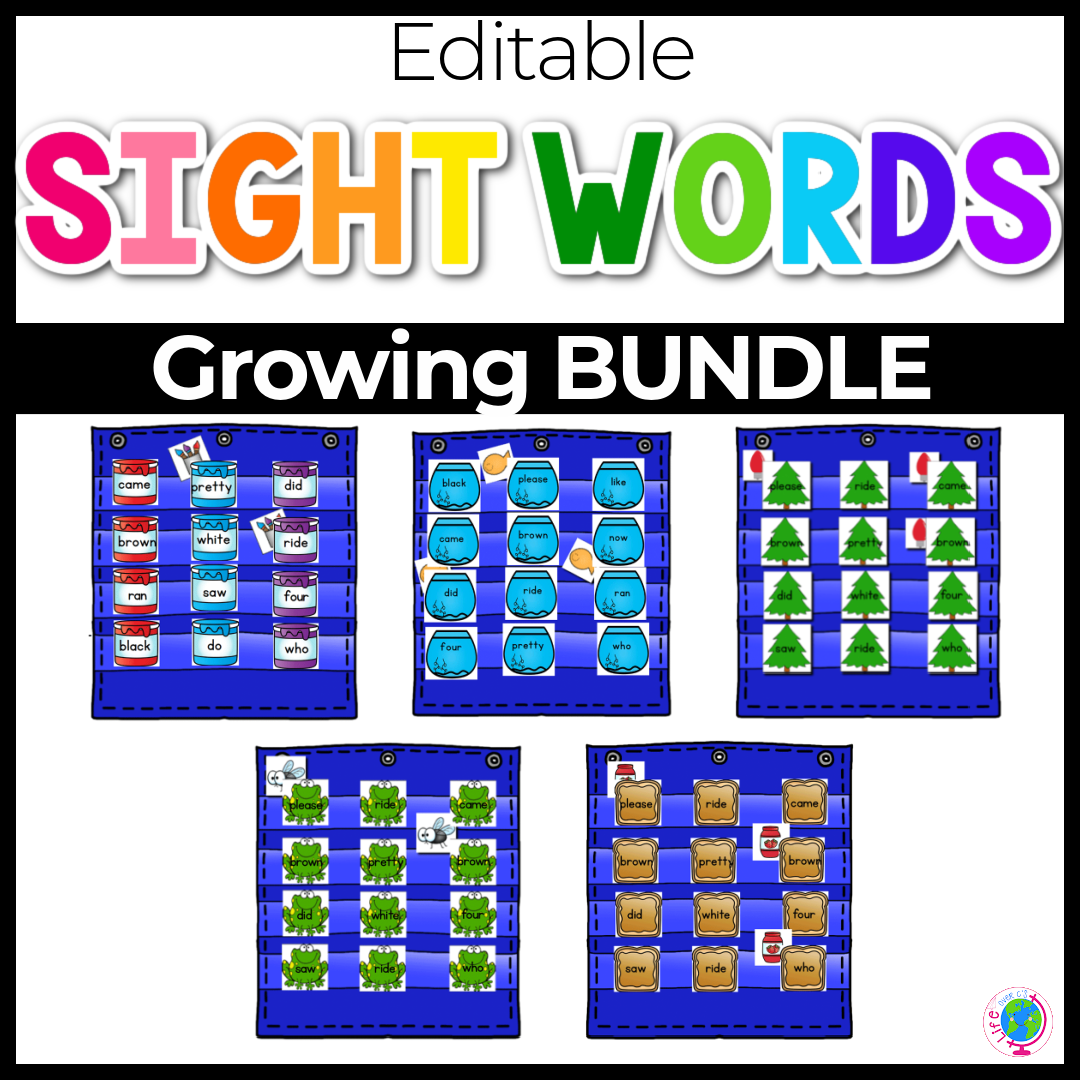
Choose exactly the words you need with these customizable game




| Price |
|---|
| SKU |
| Rating |
| Discount |
| Vendor |
| Tags |
| Weight |
| Stock |
| Short Description |
Description here


