Dark mode


Zoo animal brain break cube fun gives restless wiggles a joyful outlet! When kids start fidgeting or losing focus, roll the Brain Break Cube | Zoo Animal Theme and let them stomp like an elephant, climb like a monkey or clap like a seal.
This easy-prep action cube is packed with silly, high-energy gross motor activities that let children act out their favorite zoo animals while getting the sensory play they need. Kids laugh, move and reset their energy, then return to learning with focus and excitement. Brain breaks don't have to be complicated, and this cube keeps transitions smooth, circle time fresh and indoor recess lively.
Roll it, move it and get back to learning!
Step 1: Print your choice of color or black-and-white inserts. Slide them into a differentiated instruction cube or put together the included DIY paper cube.
Step 2: Choose a student to roll the cube during circle time, transition time or recess.
Step 3: Read the animal action out loud together, like "Hop like a kangaroo!" and have the whole class join in. Keep rolling until the giggles and movement have given your students the brain break they need.
Children come to movement time with different energy levels, motor skills and language needs. This zoo animal cube is easy to adjust for each of them.
This zoo animal brain break cube supports the 2022 Texas Prekindergarten Guidelines and Virginia's Early Learning and Development Standards (2021), and it builds toward kindergarten skills in Common Core, the TEKS (ELAR, adopted 2017) and the Virginia English SOL (2024):
★★★★★ Suzanne S. wrote, "I make Brain Break cubes to leave with my sub plans- subs appreciate these and my students love that I leave something different than the norm for them to do."
★★★★★ Melanie Z. wrote, "Love to use as brain breaks in the afternoon or when we have 10 minutes of extra time during the day."
This Brain Break Cube is the perfect tool for teachers, parents and therapists who want to make learning active and fun. Add the Brain Break Cube | Zoo Animal Theme to your cart today and with every roll, kids get to wiggle, laugh and grow while pretending to be their favorite zoo animals!
Bundle and save: the Zoo Animal Brain Break Cube is also included in the Brain Breaks Bundle.
Please note: This is a digital download that will be available to you directly after purchase. Nothing will be mailed to you.
Great as class game and also as a small group child-initiated activity!
Love that it includes all the letters for such a great price!
This i such a great resource. The crafting aspect is easy to understand as well as put together. My kiddos have already used the alligator this year to go along with their short letter Aa. They only had heard of a crocodile, so it was a great resource to add to their vocabulary as well as their learning the letter. I love it! Thank you for making this FREE!
This is great for working on sequencing. My students enjoy it as an independent seat work activity.
So easy to us as centres!
Easy to incorporate into centres!
I started getting your materials because of your brand name, Life Over Cs, and because you actually lived and taught overseas. The materials that you have developed and created are applicable to a wide range of students, and for a teacher, the materials are applicable for use from introducing a topic, using it as an assessment, using it for review, using it, and using it for enrichment. Thank you for the thought, the creativity, and the time in developing these materials. Keep up the good work.
I’m so thankful for this packet because it makes it so much easier for me to do my activities. Will be using it every year. Thank you
They are wonderful, the kids love doing them as something new and refreshing to them.
Simple but effective. Students make a spinner with a pencil and a paperclip. Each wheel provides a variety of phonemes so students can work independently in pairs. Great value.
Content is fun, engaging, multi leveled, and challenging.
the variety allows for multiage grouping easy.
Topic is one that children enyoy
Have not used it yet. It is for next school year. Can't wait to introduce them to the kiddos. Looks like fun!
Quail
Very helpful for my 3 year old
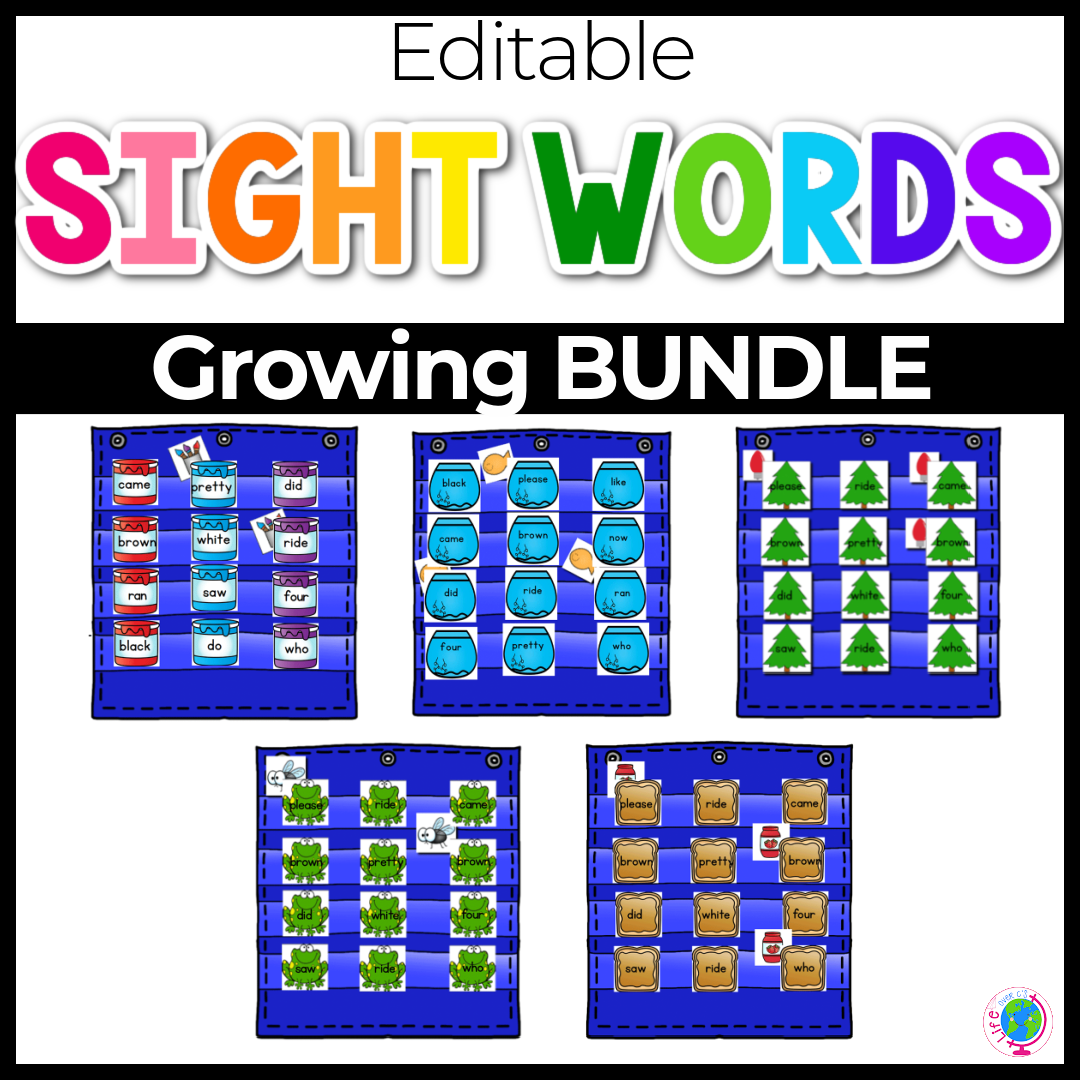
Choose exactly the words you need with these customizable game




| Price |
|---|
| SKU |
| Rating |
| Discount |
| Vendor |
| Tags |
| Weight |
| Stock |
| Short Description |
Description here


