Dark mode


I Spy board game emotions practice that feels like play! Helping kids understand and express emotions can feel like a challenge, but this I Spy "Flip" Board Game: Emotions Edition makes it simple, playful and fun. Kids race to find children showing feelings like happy, sad, surprised and worried while they build emotion recognition, vocabulary and visual discrimination skills.
This interactive game is packed with social-emotional learning (SEL) opportunities for the classroom, speech therapy, ESL/ELL students or home. With every flip of a card, children name feelings, talk about them and practice taking turns, so language development, social skills and self-regulation grow naturally along the way.
Print, laminate and let the spying begin!
Step 1: Print the boards and cards, laminate for durability and cut apart the emotion cards and token cards.
Step 2: Place one game board in the center and give each player a small stack of emotion cards. All players flip one card at the same time and race to spot the matching emotion on the board.
Step 3: The first player to point to the correct match earns a token card (or keeps the card as a point). Keep flipping, searching and matching until all cards are played. The player with the most tokens at the end wins!
For independent or quieter play, let one child use a game board and a stack of cards to match at their own pace. For parallel play, two children can use different boards side by side, which helps kids who need personal space or are just beginning to learn group play skills.
Children come to SEL games with very different feelings vocabularies and comfort levels with group play. This game is easy to adjust so everyone can join in.
This emotions I Spy game supports the 2022 Texas Prekindergarten Guidelines and Virginia's Early Learning and Development Standards (2021), plus kindergarten speaking, listening and vocabulary standards in Common Core, the TEKS (ELAR, adopted 2017) and the Virginia English SOL (2024):
★★★★ Christine H. wrote: “I used this as a vocabulary game with my RTI group. It was great to have new types of words… and a good tool to see which students could grasp words and images quickly.”
Add the I Spy "Flip" Board Game: Emotions Edition to your cart and give your learners a fun, low-prep way to recognize, name and talk about feelings. Print, laminate and watch emotional vocabulary, social skills and visual discrimination grow with every flip!
Bundle and SAVE: This game is also included in the I Spy "Flip" Board Game Growing Bundle #3.
This is a digital download. No physical items will be shipped.
Great as class game and also as a small group child-initiated activity!
Love that it includes all the letters for such a great price!
This i such a great resource. The crafting aspect is easy to understand as well as put together. My kiddos have already used the alligator this year to go along with their short letter Aa. They only had heard of a crocodile, so it was a great resource to add to their vocabulary as well as their learning the letter. I love it! Thank you for making this FREE!
This is great for working on sequencing. My students enjoy it as an independent seat work activity.
So easy to us as centres!
Easy to incorporate into centres!
I started getting your materials because of your brand name, Life Over Cs, and because you actually lived and taught overseas. The materials that you have developed and created are applicable to a wide range of students, and for a teacher, the materials are applicable for use from introducing a topic, using it as an assessment, using it for review, using it, and using it for enrichment. Thank you for the thought, the creativity, and the time in developing these materials. Keep up the good work.
I’m so thankful for this packet because it makes it so much easier for me to do my activities. Will be using it every year. Thank you
They are wonderful, the kids love doing them as something new and refreshing to them.
Simple but effective. Students make a spinner with a pencil and a paperclip. Each wheel provides a variety of phonemes so students can work independently in pairs. Great value.
Content is fun, engaging, multi leveled, and challenging.
the variety allows for multiage grouping easy.
Topic is one that children enyoy
Have not used it yet. It is for next school year. Can't wait to introduce them to the kiddos. Looks like fun!
Quail
Very helpful for my 3 year old
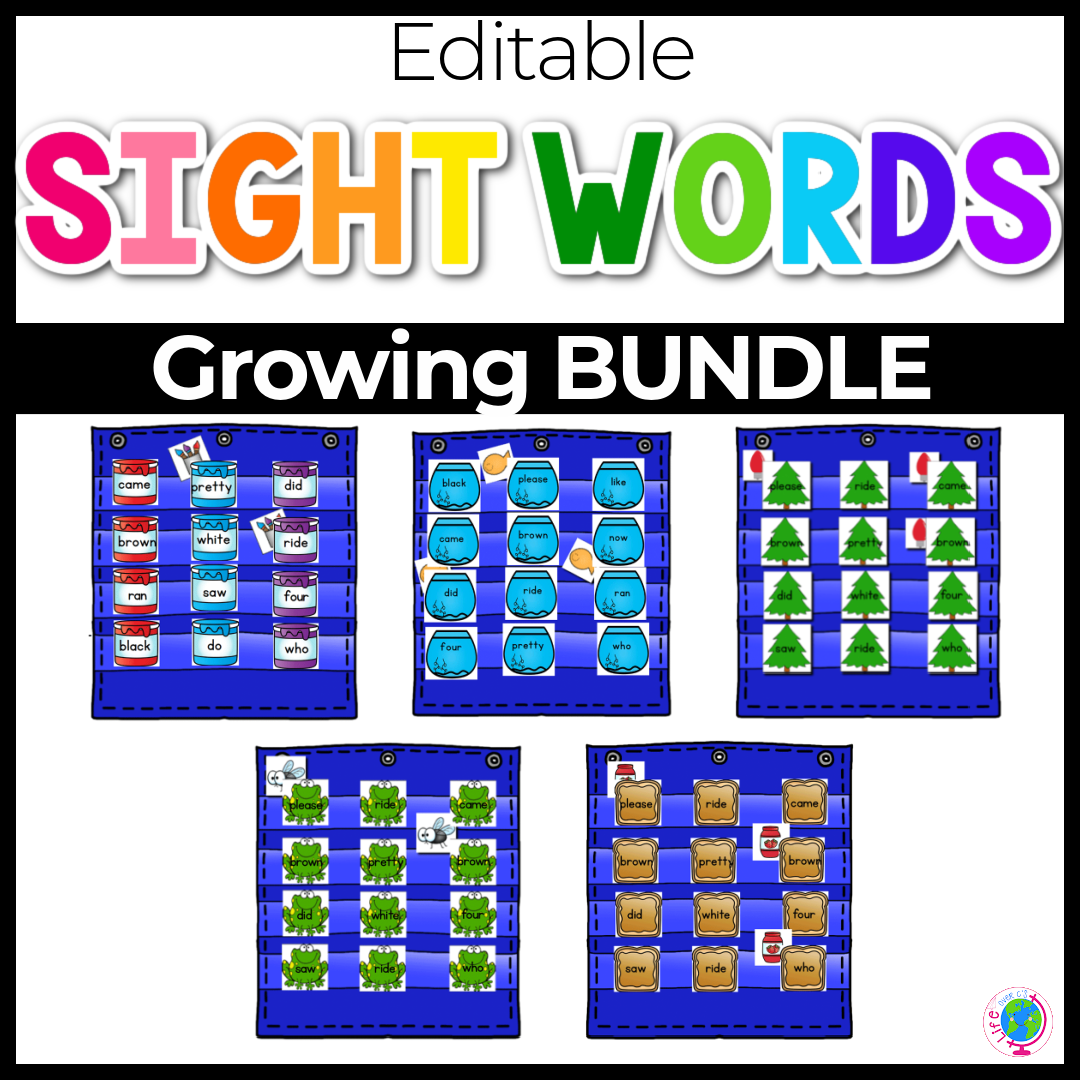
Choose exactly the words you need with these customizable game




| Price |
|---|
| SKU |
| Rating |
| Discount |
| Vendor |
| Tags |
| Weight |
| Stock |
| Short Description |
Description here


