Dark mode


At Home I Spy Junior is a real-photo I Spy board game for 3-4 year olds packed with 20 things little ones see at home every single day, from the couch and bathtub to the fridge, bed and door.
Kids flip a card, scan the board and race to find the match. With just 10 big pictures on each board, preschoolers find success fast (cue the happy dance!) while they pick up names for the furniture and appliances all around them.
Since every picture is a real household object, the household vocabulary from the game shows up again the minute kids walk into their own kitchen. No reading required! The words on the cards are there to cue the grown-up.
That couch, bathtub and stove look just like the ones at home (no guessing what a cartoon stove is supposed to be). Real photos help little learners, ELL students and children in special education connect the picture, the word and the real thing.
Junior boards keep it to 10 big, clear pictures. Three and four year olds can scan the whole board, spot the match and grin every single time they find it.
Set 1 covers mostly living room and bathroom items. Set 2 heads to the kitchen, bedroom and dining room. Start with one set, then pull out the second once those first 10 words are old friends.
Every board in a set has the same 10 pictures in different spots. Up to four kids can each search their own board side by side and the winner changes from game to game.
Grab the cards with words when you're prompting vocabulary or the picture-only cards when a child does best with nothing but the photo.
Step 1: Choose one set, one game board and either the picture-only cards or the cards with words. Place the board where every player can see it.
Step 2: Give each player a face-down stack of cards. Everyone flips their top card at the same time and searches the board for the match.
Step 3: The first player to point to the matching picture wins a house token. Keep flipping until every card is matched. The player with the most tokens wins.
Some kids will name every picture on day one. Others need to hear the words a bunch of times before they try them out. These ideas work with the cards and boards already in the file.
These connections use the Texas Prekindergarten Guidelines (2022), the Virginia Early Learning and Development Standards and the Common Core State Standards for kindergarten.
Nicole S. wrote: "Great for teaching positional words and scanning and tracking skills!"
Lindsey C. wrote: "These I spy boards are highly interactive and can be used in a variety of contexts as a reinforcer."
★★★★★ Gluesticks and Giggles wrote: "I have been using these in my morning tubs - the kids LOVE them! Once you teach the game to your students, you are set for the whole year!"
Michelle W. wrote: "Very great resource that can be used throughout the year. Used with my special needs students to improve matching skills."
Grab At Home I Spy Junior for your next small group and watch your preschoolers find, name and show off 20 real household words, then spot them all over again at home that night.
Please note: This is a digital download, available right after purchase. Nothing will be mailed to you.
Great Experience
My Kindergartners love this activity!
My students love these activities! They are great resources and help students to recognize letters by also connecting it to the animal in which the letter sounds.
Great as class game and also as a small group child-initiated activity!
Love that it includes all the letters for such a great price!
This i such a great resource. The crafting aspect is easy to understand as well as put together. My kiddos have already used the alligator this year to go along with their short letter Aa. They only had heard of a crocodile, so it was a great resource to add to their vocabulary as well as their learning the letter. I love it! Thank you for making this FREE!
This is great for working on sequencing. My students enjoy it as an independent seat work activity.
So easy to us as centres!
Easy to incorporate into centres!
I started getting your materials because of your brand name, Life Over Cs, and because you actually lived and taught overseas. The materials that you have developed and created are applicable to a wide range of students, and for a teacher, the materials are applicable for use from introducing a topic, using it as an assessment, using it for review, using it, and using it for enrichment. Thank you for the thought, the creativity, and the time in developing these materials. Keep up the good work.
I’m so thankful for this packet because it makes it so much easier for me to do my activities. Will be using it every year. Thank you
They are wonderful, the kids love doing them as something new and refreshing to them.
Simple but effective. Students make a spinner with a pencil and a paperclip. Each wheel provides a variety of phonemes so students can work independently in pairs. Great value.
Content is fun, engaging, multi leveled, and challenging.
the variety allows for multiage grouping easy.
Topic is one that children enyoy
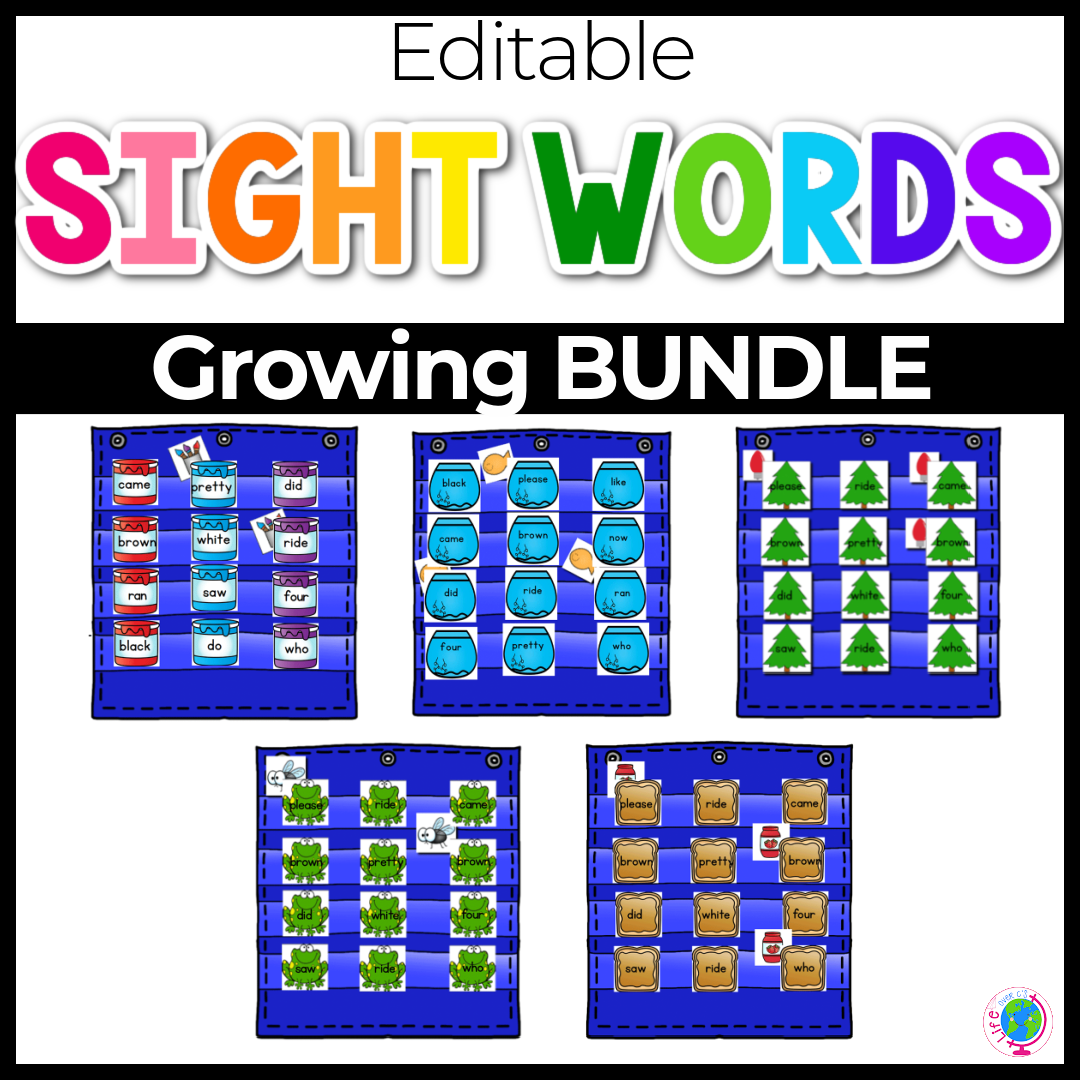
Choose exactly the words you need with these customizable game




| Price |
|---|
| SKU |
| Rating |
| Discount |
| Vendor |
| Tags |
| Weight |
| Stock |
| Short Description |
Description here